

A day in Kumarakom: From Canoe to Kitchen to Conversations
A day that flows, not rushes
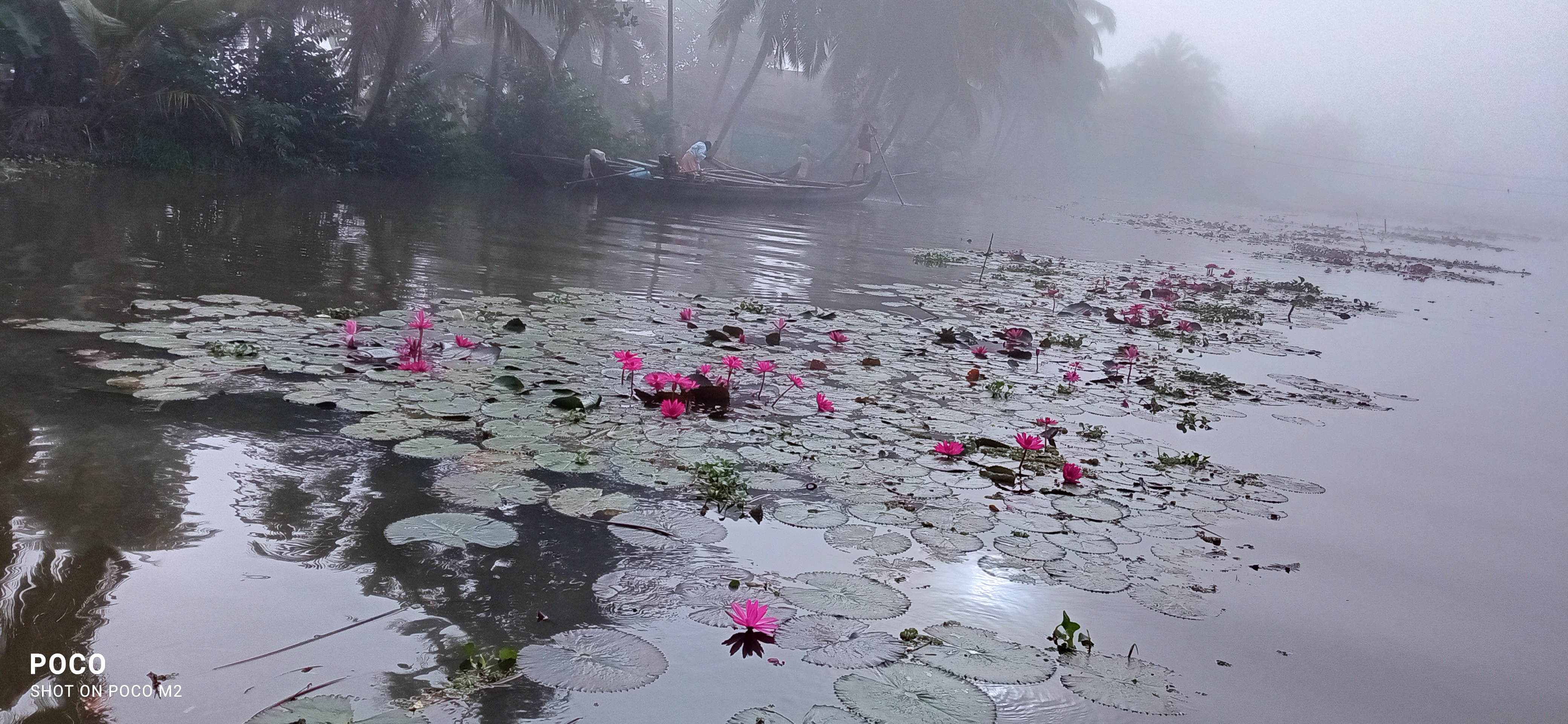
How would you feel if you didn’t have to start your day with alarm-clock snoozes and checking to-do lists that you had pinned somewhere in your kitchen? What if the day reveals itself slowly, in a leisurely pace with soft sunrays slipping quietly over water lilies and tiled roofs? That’s exactly how Kumarakom mornings begin. The time does not announce itself loudly but arrives gradually, like a canoe gliding through a narrow canal.
Kumarakom is often spoken of as a destination, but to spend a day here is to realise it is more of a lived landscape. It is not something to be “covered” in a checklist. It is something to be entered into. The day unfolds the way the backwaters do—slowly, organically, without urgency.
This is a story of one such day. A day shaped by three simple experiences that flow into one another: a canoe ride at dawn, a kitchen alive by afternoon, and conversations that stretch into the evening. Together, they form a rhythm that feels less like tourism and more like belonging.
Quick Answer: What can you experience in a day at Kumarakom
A day in Kumarakom can include a peaceful canoe ride through the backwaters, hands-on local cooking using fresh ingredients, and meaningful conversations with the community—offering deep cultural immersion beyond typical tourism.
Morning on the water - Canoeing through living Backwaters
Why canoes reveal Kumarakom better than motorboats
In Kumarakom, the backwaters are not scenery. They are streets.
A canoe moves quietly, without breaking the surface of the day. There is no engine noise, no rush to reach a point of interest. Instead, there is silence, punctuated by bird calls and the soft dip of the paddle. This silence is not empty. It is full of detail.
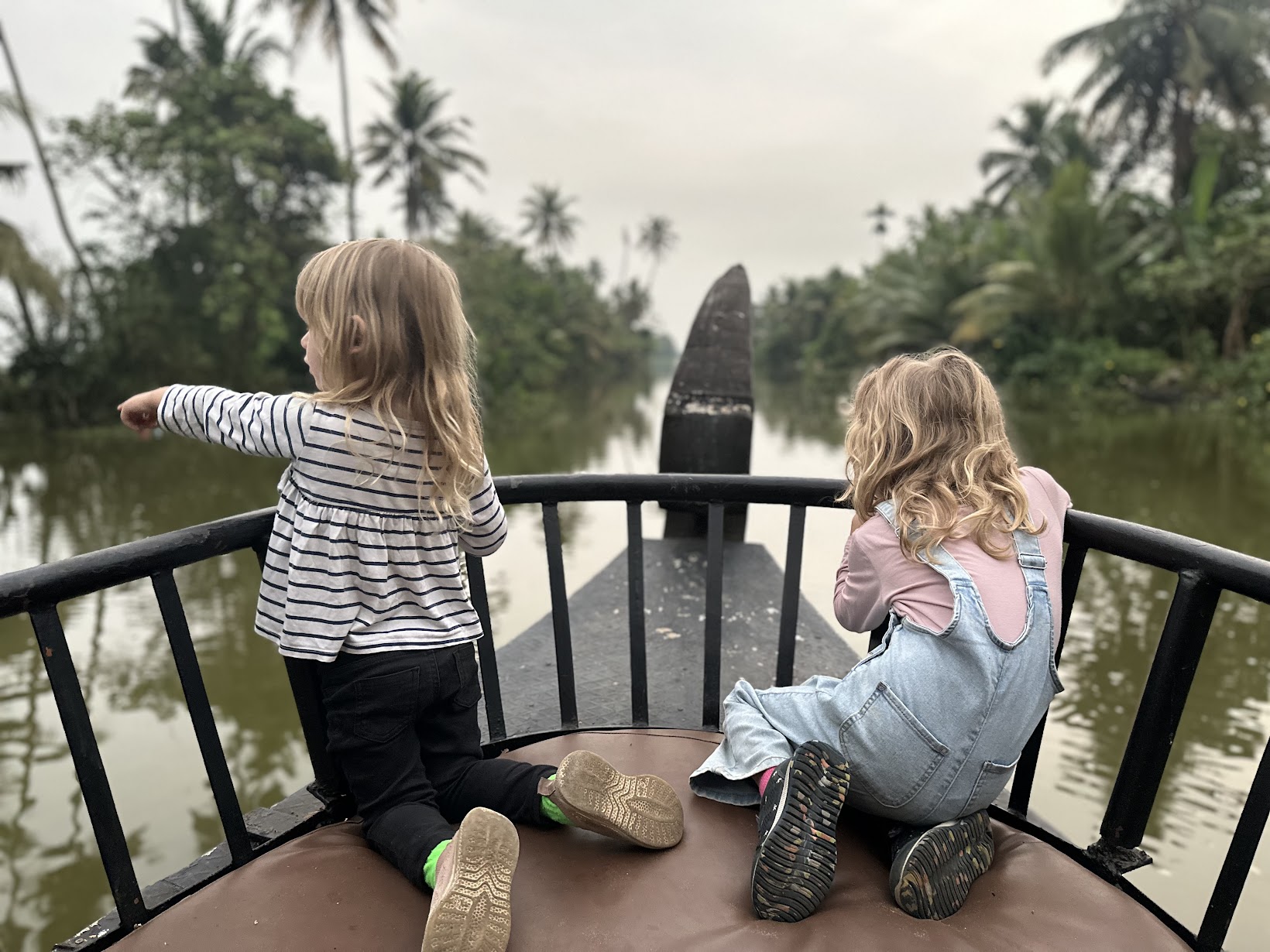
From a canoe, you notice things a motorboat would rush past. The way a fisherman checks his net with practised ease. A woman rinsing rice at the water’s edge. Ducks crossing canals with absolute confidence. Children waving from a school boat, their laughter trailing behind them.
This is why a canoe experience in Kumarakom feels different. It respects the rhythm of village life instead of interrupting it.
Stories seen from the water
As the sun rises, Kumarakom wakes up gently. Fishing nets are lifted and reset. Coconut fronds sway over backyard canals. Smoke curls from kitchen fires, hinting at breakfast being prepared somewhere unseen.
The canoe becomes a listening space. You listen not just to nature, but to life as it is lived—unrehearsed and unfiltered. The backwaters tell stories without words, and the canoe gives you time to hear them.
Is canoeing in Kumarakom worth it?
Yes. Canoeing offers a quieter, more intimate way to experience village life, nature, and local culture, far removed from crowded routes and mechanical noise.
Midday in the kitchen - Cooking as a cultural exchange
By the time the sun climbs higher, the canoe gently returns you to land. The water stays with you, though—in your pace, in your breath. And then, almost naturally, the day moves into the kitchen.
From the market and the backyard to the cooking pot
Cooking in Kumarakom rarely begins with a recipe. It begins with availability.
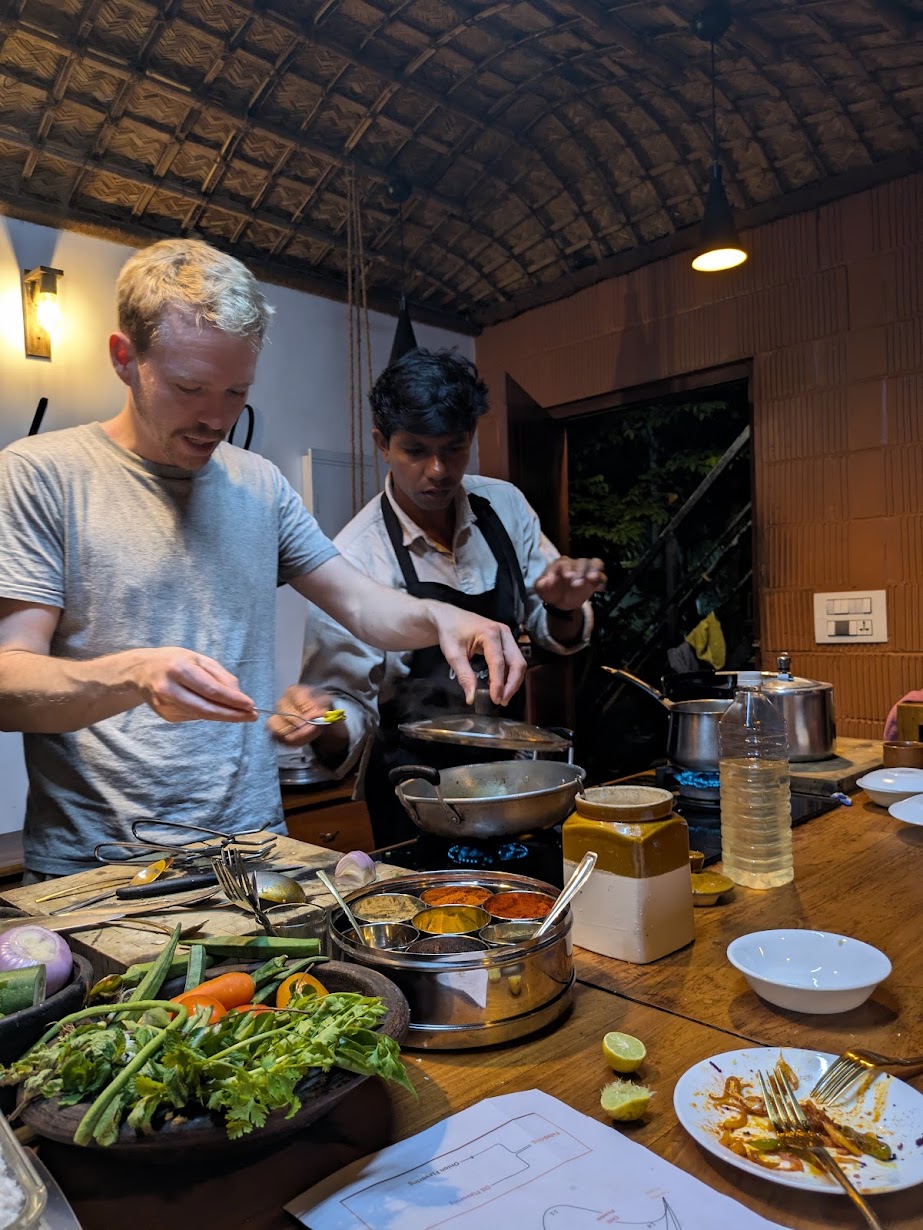
Some ingredients come from the local market—fresh fish still carrying the scent of the lake, vegetables grown nearby, spices that have travelled generations within families. Others come from backyards: curry leaves plucked moments before use, bananas cut straight from the plant, coconut cracked open with practised ease.
There is no performance here. No fixed menu. What you cook depends on the season, the day, and the people cooking together.
Cooking together, not being served
This is what makes cooking with locals in Kerala deeply special. Guests are not seated and served; they are invited in. You chop, grind, stir, and taste alongside the hosts. You learn why certain spices go together, how balance matters more than heat, and how texture can change a dish entirely.
Stories surface naturally. A dish reminds someone of their grandmother. Another brings back memories of festivals or monsoon afternoons. Food becomes more than nourishment—it becomes memory and identity shared across a table.
What makes local cooking experiences in Kerala special?
They combine fresh ingredients, traditional techniques, and personal stories, turning meals into cultural exchanges rather than demonstrations.
Afternoon Conversations — The Most Underrated Experience
When travel slows down, stories surface
After lunch, there is tea. And with tea, conversation.
These are not scheduled interactions. They happen because there is time. Conversations drift from daily life to childhood memories, from farming challenges to laughter over small misunderstandings. There are pauses, silences, and moments where no one feels the need to fill them.
This is often the part travellers remember most, though it is the hardest to describe.
Hospitality as belonging, not service
In homes like these, there is no clear line between host and guest. Hospitality is not transactional. It is relational. The home becomes a meeting ground, not a service space.
You are not “looked after.” You are included.
.jpeg)
Why do experiences like this matter in modern travel?
Beyond Sightseeing: The Rise of Slow and Responsible Travel
More travellers today are seeking experiences that feel rooted and responsible. Slow travel in Kumarakom offers exactly that—cultural immersion without extraction, connection without intrusion.
These experiences create space for community participation, low-impact movement, and meaningful exchange. They benefit locals without turning life into a spectacle.
Kumarakom as a teacher, not a product
What guests take back is not just photographs. It is perspective. An understanding that travel can be gentle. That luxury can mean time. That richness can come from simplicity.
And what locals retain is dignity, continuity, and pride in their everyday lives.
Who is this experience for?
This is not for travellers chasing checklists or five-star indulgence alone. It is for those who are curious rather than demanding.
Food lovers who want to understand what they eat. Culture explorers who prefer conversations over monuments. Families seeking meaningful time together. Solo travellers and slow nomads who value depth over speed.
Who should choose slow travel experiences in Kumarakom?
Travellers seeking authentic culture, food, and human connection rather than rushed sightseeing.
.jpeg)
One Day, Many Layers — Carrying Kumarakom With You
When the day ends, it does not really end.
It stays with you in small ways—in how you slow down later, how you listen more carefully, how you remember that travel does not always have to impress. Sometimes, it only needs to connect.
Kumarakom offers that quietly. Through water that reflects more than the sky. Through food that carries stories. Through conversations that remind you what travel was meant to be.
A Gentle Invitation
Experience Kumarakom the way locals live it—through water, food, and conversation. Not as a visitor passing through, but as someone who stayed long enough to listen.